
Outdoor Lighting Services Denver: Maintenance Plans
Outdoor lighting looks simple when it is new. The fixtures are crisp, the beams are tight, and the pathways feel secure. Then a Denver winter rolls through, spring irrigation starts to mist everything with hard water, and midsummer sun at 5,280 feet bakes gaskets with a UV intensity that surprises newcomers. By year two, lenses haze, path lights tilt after freeze‑thaw cycles, and a transformer hums a little louder than it should. A good maintenance plan keeps a system from drifting into that slow decline. It also protects the investment you made in design, fixtures, and installation.
As someone who has serviced landscape lighting in the Front Range for years, I have learned that the small, regular touches prevent the expensive fixes. Denver climate is tougher on exterior lighting than many cities: snow loads and shovels, expanding clay soils, squirrels and rabbits that chew low‑voltage cable, and transient surges during summer storms. A maintenance plan is not a luxury item for colorado outdoor lighting, it is how you keep light levels consistent, maintain safety at the front walk, and preserve the look of your home.
How Denver’s climate treats outdoor lighting
Altitude matters. Ultraviolet exposure is stronger here than at sea level, which accelerates the aging of plastics, wire insulation, and rubber gaskets. I have pulled out path lights only three or four years old where the O‑rings had already hardened, letting moisture creep in. In winter, the freeze‑thaw cycle heaves stakes and footings. A path light that was level in October can lean by March, sometimes enough to throw glare into a neighbor’s window.
Hard water from irrigation leaves mineral film on lenses, muting output 10 to 30 percent depending on flow and overspray. Snow removal can break fixture stakes or bend risers. Even the best denver outdoor fixtures need occasional attention after a storm cycle. Summer lightning is another player. Surge protection in the transformer helps, but I still see scorched terminal blocks on systems that took a close hit. Denver landscape lighting lives outside in a place that gives it all four seasons, often in the same week.
Wildlife also gets a vote. Rabbits gnaw cable at grade, particularly where mulch meets lawn. Voles make narrow tunnels that shift fixtures an inch or two, just enough to spoil beam aim. Spiders love warm lenses and will web‑up a spotlight in a week of humid weather. None of these are dramatic problems. Together, they gradually drag down the beauty and performance of denver’s outdoor lighting unless someone is checking, cleaning, and adjusting.
What a professional maintenance visit actually includes
A good contractor does more than swap a bulb. On a typical service for outdoor lighting in denver, we build a punch list before we even open the transformer. We walk the entire property at dusk or dark to see the design intent as you live with it. Then we work fixture by fixture during daylight.
Cleaning is first. We remove mineral haze from glass, wipe LEDs and optics with the appropriate solvent, and clear spider webs and mud. I count on a 10 to 20 percent output bump just from clean lenses for many systems. Aiming follows. Shrubs grow. What was a perfect cross‑light on stacked stone last summer may now hit a lilac. We reposition and sometimes change beam spreads to keep the look balanced.
Next we check mechanical basics. Path lights get re‑leveled. Flood lights often need their knuckles snugged down. We inspect gaskets and wire entries for UV cracking. On older denver outdoor lights with halogen, we check sockets for heat stress and recommend conversion to LED when the numbers pencil out.
The electrical side comes last. Inside the transformer, we tighten lugs, test the photocell, confirm programming on timers or smart controls, and check voltage under load. On long runs, especially older 12‑gauge wire feeding a string of path lights, voltage drop can sneak in. LEDs tolerate a range, but if you see 9 volts at the last fixture on a circuit that wants 11 to 14, you will notice color shift and dimmer output. We rebalance taps, split runs, or upgrade cable where needed. I also test GFCI outlets that serve transformers. A failed GFCI means lights that will not come on and a mystery call for the homeowner.
Everything gets documented. I note fixture counts, lamp wattages or LED board models, beam spreads, color temperatures, and any signs of corrosion. For commercial properties with larger outdoor lighting systems denver, I include megger tests on long cable runs to spot insulation issues before they become shorts.
Why maintenance plans save money
The logic is simple: fix small issues before they multiply. Cleaning and re‑aiming preserves the original design so you do not feel the itch to add yet more fixtures to compensate for dimming or blockage. Early detection of failing gaskets or nicked wire prevents water intrusion that will corrode connections and ruin a run. With denver exterior lighting, one compromised junction in a mulch bed can travel quickly if we leave it.
LED systems are not set‑and‑forget. Modern LEDs hold 70 percent of initial output at 50,000 hours in lab conditions, but outdoors in Denver that curve can slide. Heat sink fins clog with dust. Driver capacitors age faster in temperature swings. A maintenance plan that cleans, checks driver health, and keeps voltage steady helps you actually realize the life expectancy you were sold.
Energy and safety are part of the picture. A transformer running near max with poor connections wastes power as heat. A tripped GFCI can leave a dark entryway. I have seen one loose neutral in a multi‑tap transformer that created intermittent outages across three runs, a nightmare for troubleshooting that would not occur if lugs stayed tight. Maintenance smooths out these costs and hassles, turning unpredictable failures into scheduled service.
What we check most often in Denver
The same patterns come up across denver outdoor lighting projects. Mineral deposits are near the top of the list, especially on pathway and garden lighting near sprinklers. UV makes brittle any cheap gasket, which encourages condensation that frosts lenses on cool evenings. Hail can nick powder coat on fixtures and create tiny corrosion points, most noticeable on in‑grade well lights around driveways. Snow shovels will bend or shear off low path stakes, often in the first storm if the installer set them too close to the pavers.
Plant growth is the quiet saboteur. In one Cherry Creek yard, boxwoods swallowed half the beam from six brass spots in a single season. The homeowner thought the LEDs were failing. Ten minutes with pruners and a re‑aim restored the facade, and we did not replace a single fixture. Then there is cable movement. In clay soils west of I‑25, I have seen cable work to the surface over two summers, only to be nicked by aerators in fall. A maintenance walk finds and reburies that cable before the lawn crew does.
Maintenance tiers that make sense
Every property is different, so rigid packages do not help much. Still, most homes and small commercial sites in outdoor lighting denver fall into a few sensible rhythms. For a compact front yard and entry, a spring tune and a fall check handle most needs. Larger properties or high‑impact denver garden lighting that supports entertaining often benefit from quarterly visits. Commercial denver lighting solutions for hospitality spaces, apartment courtyards, and restaurants usually run on monthly or bimonthly service to keep branding consistent.
Here is how I describe common tiers for outdoor lighting services denver.
- Seasonal plan, two visits per year. Spring cleaning, re‑aim, voltage check, and fall storm prep. Good for modest systems under roughly 40 fixtures with limited plant growth.
- Biannual plus, two thorough visits with one mid‑summer quick check. Useful if irrigation overspray is heavy or if there is denver pathway lighting along busy walkways that collect dust and foot traffic.
- Quarterly plan, four visits. Best for larger landscape lighting denver projects with layered scenes, evolving plant material, or frequent events. Keeps light levels even across seasons.
- Commercial care, monthly or bimonthly. Focus on uptime, brand standards, and safety. Includes scheduled lamp or module rotations where halogen is still in play.
Cost scales with fixture count, access, and complexity. For context, homeowners might expect annual maintenance in the mid hundreds for a small system, and into the low thousands for larger estates or complex outdoor lighting solutions denver. Commercial plans vary more widely because site standards and response time drive cost. The durable savings show up when a plan avoids emergency calls, extends LED lifespans by keeping thermal paths clean, and reduces fixture replacements from corrosion or water intrusion.
The role of controls, timers, and smart integrations
Many calls that sound like lighting failures are control problems. Photo sensors fail, timers lose programming after a power outage, or a smart hub firmware update breaks a scene. If your denver lighting setup uses photocells, I prefer north‑facing sensors mounted clear of eaves and away from windows, so sunset and sunrise look natural. With digital timers, battery backups help, but I still recheck programming each visit.
Smart systems are useful, especially where you want staggered on times or zone control for denver yard lighting and facade accents. I advise keeping the architecture simple. Complex stacks of apps and hubs lead to finger pointing when a scene does not trigger. During maintenance, we update firmware, test manual overrides, and verify schedules against actual sunrise and sunset for outdoor lighting in denver, which shifts notably across the year.
Safety, code, and the infrastructure behind the glow
Low voltage landscape lighting denver falls under different parts of code than line voltage, but safety rules still apply. Transformers should be plugged into GFCI receptacles, mounted above grade, and secured. We check that any in‑grade junctions use listed enclosures and that splices are fully waterproof, not just taped. If a system pre‑dates you or the property, a maintenance plan can map circuits, label runs, and bring legacy work closer to current best practice.
Voltage balance matters as systems grow. Additions made piecemeal, common in older exterior lighting denver neighborhoods where homeowners expand over years, lead to uneven loads. Regular service tests under real load, then adjusts taps or splits home runs to even out levels so color temperature does not drift warm on distant fixtures.
A seasonal rhythm that works in Denver
Spring is about cleaning lenses, re‑aiming after pruning, and catching winter damage. I like to set beam spreads a bit wider in April and May, when trees are still leafing out, then revisit in June for a quick nudge once canopies are full. Summer brings dust, irrigation, and lightning. Midseason checks keep mineral film in check and ensure surge protection is still doing its job. Fall focuses on storm prep: snugging all hardware, moving vulnerable path lights back from snow shovel zones, and adjusting timers as days shorten. Winter service is mostly reactive, but I still recommend a quick visual after significant snow to rescue any tilted fixtures before they freeze that way.
A brief anecdote illustrates the payoff. One Highlands client had recurring outages each August. We finally traced it to a marginal GFCI that only tripped after heavy evening irrigation cooled the transformer eve outlet. With a plan in place, we swapped in a weather‑rated enclosure and added drip loops on cable runs. The outages stopped, and the fix cost less than a single unscheduled call.
LED specifics: color, output, and long life by design
LED’s promise is long life with low energy use. That is true, but the details matter. In denver outdoor illumination, heat is not the only enemy. Dust on heat sinks, high altitude UV, and voltage variance nudge LEDs to age unevenly. I choose fixtures where the LED module and driver are serviceable. During maintenance we verify color temperature consistency across runs. Nothing looks more amateur than a mix of 2700K and 3000K on the same facade because a vendor substituted a batch midyear. Maintenance plans catalog model numbers so replacements match.
Lumen maintenance is not a cliff, it is a slow slide. If the system looked perfect when new, and two years later feels a bit flat, you might be seeing output down 10 to 15 percent coupled with dirty glass and more foliage. Cleaning and subtle re‑aiming usually recover the effect. If not, a targeted module swap on critical highlights can restore contrast without touching the rest of the property.
When a maintenance visit becomes a retrofit conversation
Sometimes we open a transformer and see a tangle of unlabeled wires, wire nuts wrapped in electrical tape, and a garden of halogen lamps drinking power. In those cases, maintenance reveals a better path. Converting to LED often pays for itself within two to four years through lower energy and far fewer lamp changes. Retrofitting also shrinks heat in fixtures, which preserves gaskets and finishes.
Upgrading controls can be equally smart. Many older lighting installations denver rely on mechanical timers inside garages that drift a few minutes each week. A modern astronomical timer or a smart control with sunrise tracking keeps operation aligned with Denver’s light cycle without constant fiddling. A maintenance plan helps prioritize which upgrades deliver the most visible improvement for the dollar.
What homeowners can do between service visits
The best outcomes happen when homeowners handle a few light touch tasks, then call us for the specialized work. Here is a short checklist that keeps systems healthy between formal maintenance.
- Brush debris and webs from lenses monthly, using a soft cloth on cool fixtures.
- After a storm or heavy irrigation, glance at the transformer GFCI and reset if tripped.
- Keep mulch pulled back a few inches from fixture bases to reduce heat and pest issues.
- Trim fast growers lightly so beams are not blocked for months at a time.
- If a fixture goes out, note exactly which one and when. Patterns help with fast diagnosis.
Choosing a provider for outdoor lighting services denver
Look for a company that treats maintenance as a craft, not an afterthought. Ask how they document systems. A good tech hands you notes with fixture counts, lamp or module specs, tap settings, and any weak points. Experience with denver pathway lighting and hillside runs matters. Sloped sites behave differently with water and movement than flat yards in Stapleton. Confirm that the team carries the parts your system needs, from LED modules to specific beam lenses, so a visit solves problems in one trip.
Warranty support is another differentiator. Fixture manufacturers often stand behind their products when a trained installer handles service. If your provider has relationships with brands common in outdoor denver lighting, you will save time on any legitimate claims. Finally, check responsiveness. A maintenance plan should come with clear response windows for outdoor lighting installation outages at entries or stairs, where safety is at stake.
Real costs, real examples
Numbers help. A small front‑of‑house system in Wash Park with roughly 20 fixtures, all LED, usually needs two visits a year. The total annual maintenance spend tends to fall in the few hundred dollar range, mainly for cleaning, re‑aiming, and occasional module or photocell replacement. A larger Cherry Hills property with 80 to 120 fixtures, mixed spot and path lighting with a few in‑grade wells, pencils out higher, often into four figures annually for quarterly service. Those visits keep hundreds of feet of cable healthy, surfaces clean, and complex tree lighting balanced as canopies change. For restaurants with patio lighting, string lights, and brand‑critical facade wash, monthly checks are common. They prevent outages on peak nights and preserve the look that keeps photos consistent on social media.
I have also seen the cost of skipping care. One property north of Sloan’s Lake went three years without service. By the time we were called, 30 percent of fixtures were dim from mineral buildup, two had water inside, and one underground splice had corroded to the point it fused open. The repair and replacement bill ran several times what a regular plan would have cost, and the property sat partially dark for weeks.
Integrating maintenance with design intent
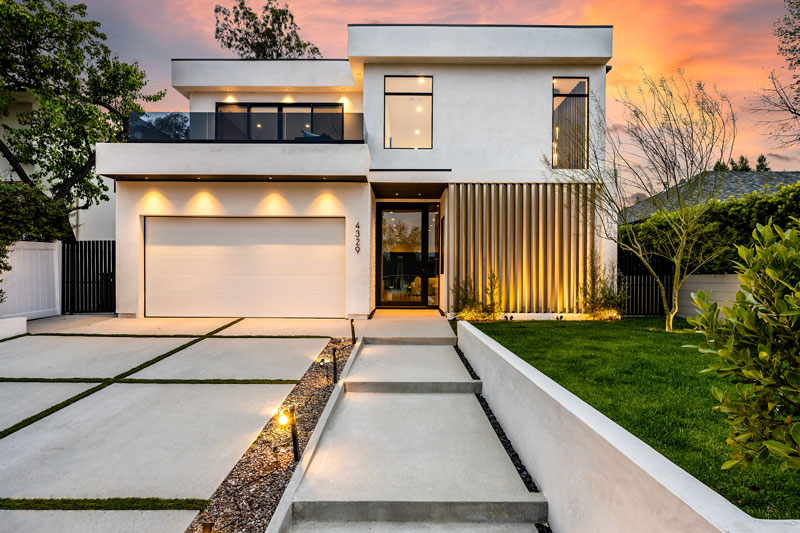
Great denver lighting starts with a design that respects the architecture and the site. Maintenance is how that vision stays intact as the property evolves. During each visit, we look at composition, not just hardware. Are we still highlighting the stone columns that sell the entry, or has the eye drawn to a hot spot on a shrub? Do the front steps read as a gentle gradient, or did one path light tilt and throw glare at ankle height? Maintenance returns the design to its original balance and, when appropriate, refines it.
That refinement is subtle. Color temperature shifts from 3000K at the facade to 2700K in the garden can make the house feel warm while relieving the yard. As aspens mature, you may need narrower beams to keep trunks crisp. As plantings fill in, you might reduce wattage on a few path lights to avoid over‑lighting. These are the quiet decisions a seasoned tech makes on site, with your approval, that keep denver outdoor illumination feeling intentional, not accidental.
The bigger picture: sustainability and stewardship
Outdoor lighting solutions denver can be efficient and neighborly. Maintenance supports both. Clean lenses and correct voltage reduce wasted power. Thoughtful aiming avoids glare into windows or at the night sky. When we replace modules, we recycle lamps and responsibly dispose of drivers. Scheduled care also reduces the shipment and packaging churn of emergency one‑off parts orders.
To that end, I encourage dark‑sky mindfulness. Many neighborhoods in Denver now ask for lower lumen caps and shielded fixtures. Good maintenance enforces those values by keeping shields aligned and beams on target. A system that looks artful at 30 percent less output saves energy and feels more comfortable when you sit outside.
Where maintenance meets installation quality
If you are considering new outdoor lighting installations denver, ask the installer how maintenance will work from day one. The best designs leave room in transformers for future growth and voltage balancing. They place fixtures where a snow shovel will not find them. They use waterproof connectors rated for burial and leave slack in cable for future re‑aiming. A maintenance technician appreciates this forethought because it turns service into a quick, predictable routine rather than a series of unpleasant surprises.
For homeowners inheriting older systems after a move, maintenance is the fastest way to learn what you have. In two to three hours on site, we can map runs, label fixtures, clean, re‑aim, and surface any risky splices. From there, you decide whether to roll into a plan or stage upgrades. Either way, your denver outdoor lighting becomes something you understand and control, not a mystery in a metal box behind a shrub.
A final word on expectations
No maintenance plan can stop hail or keep every rabbit away from cable, but a good one narrows the range of outcomes. Lights come on when they should, look the way they were intended, and support how you use your home. The cost is predictable. The property feels safe, and the architecture reads at night the way it does in daylight.
If you want to enjoy the benefits of exterior lighting denver without the slow fade that often follows installation, put structure around its care. Whether you choose a seasonal tune or a quarterly program, treat maintenance like you would irrigation winterization or furnace service. It is part of responsible home stewardship on the Front Range.
And if you are just getting started, ask providers how their maintenance plans support their designs. The answer will tell you a lot about whether your denver lighting investment will age gracefully, through sun, snow, and everything between.
Braga Outdoor Lighting
18172 E Arizona Ave UNIT B, Aurora, CO 80017
1.888.638.8937
https://bragaoutdoorlighting.com/